Starting April 1, 2026, a new procedure will come into force. According to this regulation, all transactions for the purchase and sale of real estate and specific categories of vehicles (M, N, O, and G) manufactured within the last 10 years must be carried out electronically through banks and notaries. The practice of "hand-to-hand" cash payments will be abolished, and the entire process will be placed under official oversight.
The fundamental rule of this procedure is that funds are first held in a bank escrow account and transferred to the seller only after the notary certifies the contract.
-
Step 1: After reaching an agreement on the property or vehicle, the buyer applies to the bank. All relevant data—including details of the buyer and seller, the object (house or car), the contract amount, and account numbers—are entered to officially initiate the process.
-
Step 2: The bank opens a special escrow account for the buyer. This is a separate account where funds are temporarily held. The primary purpose is to "freeze" the money for security, ensuring it is not released to the seller immediately.
-
Step 3: The buyer deposits the agreed amount into the escrow account (via cash or wire transfer). If the purchase is financed by a loan, the lending bank sends an electronic notification to the notary.
-
Step 4: Once the funds are secured in the escrow account, both parties visit the notary to formalize the Sale and Purchase Agreement.
-
Step 5: Before certification, the notary conducts an electronic verification with the bank to confirm the presence of funds. The bank responds in real-time. If funds are insufficient or the escrow account is closed, the notary will not certify the deal.
-
Step 6: If all requirements are met, the notary certifies the contract and notifies the bank electronically. At this point, the transaction becomes legally binding.
-
Step 7: Upon notary approval, the bank automatically transfers the funds from the escrow account to the seller's account. This usually occurs the same day or the next business day through an automated system.
-
Step 8: The seller can then withdraw the funds in cash or keep them in the account, as the money is now officially their property.
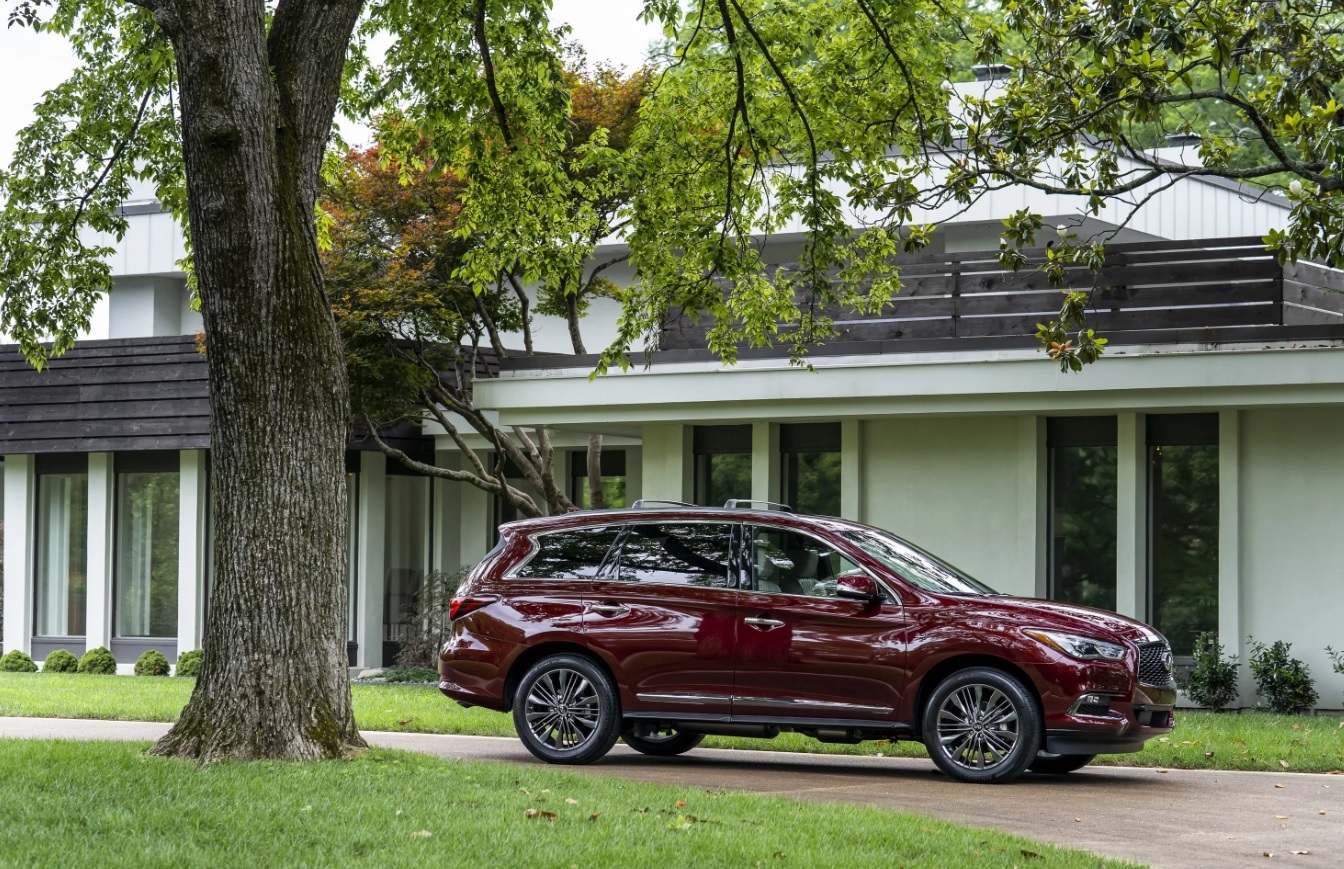
This regulation applies to the following categories of vehicles manufactured within the last 10 years:
-
Category M: Passenger vehicles, including cars (e.g., Cobalt, Malibu, Tracker, electric vehicles) and buses.
-
Category N: Goods-carrying vehicles (e.g., Isuzu, KamAZ, and others).
-
Category O: Trailers and semi-trailers.
-
Category G: Off-road vehicles (e.g., Niva, Land Cruiser, and other 4x4 vehicles).
Note: If the notary does not certify the contract for any reason, the buyer can apply to the bank for a full refund of the funds in the escrow account; the money will not be "locked."
The essence of the new system is that money is held by the bank, verified by the notary, and only then released to the seller. This will:
-
Reduce fraud;
-
Ensure financial transparency;
-
Protect both the buyer and the seller simultaneously;
-
Make the process of buying a home or car safe and reliable.